
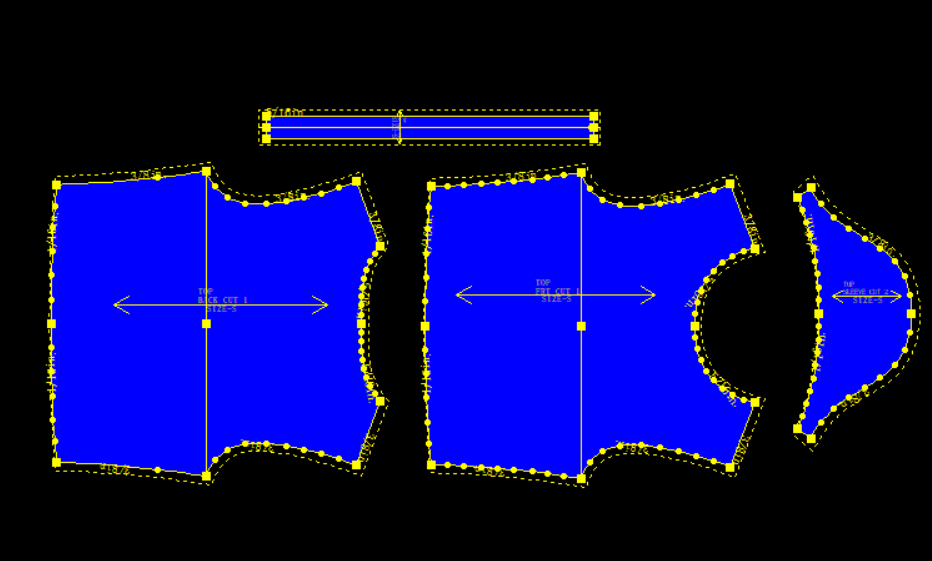
Pattern making is the foundation of garment construction, transforming creative ideas into wearable designs. Whether you’re a budding fashion designer or a DIY enthusiast, understanding pattern making can open up endless possibilities in clothing creation. In this blog, we’ll explore the fundamentals of pattern making, essential tools, and tips to help you master this craft.
What is Pattern Making?
Pattern making is the process of creating a blueprint or template for a garment. These patterns serve as guides for cutting fabric and assembling pieces into a finished product. A well-made pattern ensures a perfect fit, balanced proportions, and a polished look.
Essential Tools for Pattern Making
Before diving into the process, you’ll need a few essential tools:
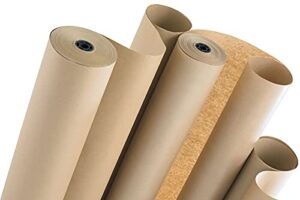
- Pattern Paper – Used for drafting and modifying patterns.
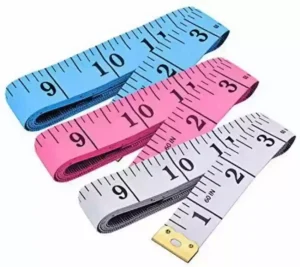
- Measuring Tape – Ensures accurate body measurements.
- French Curve & Rulers – Helps shape curves and straight edges.

- Tracing Wheel & Carbon Paper – Transfers pattern markings onto fabric.
- Scissors & Rotary Cutter – For precise cutting.
- Pins & Weights – Keeps patterns in place while working.
- Marking Tools – Chalk, pencils, or pens for labeling patterns.
Basic Steps in Pattern Making
- Taking Accurate Measurements – A well-fitting garment starts with precise body measurements. Measure the bust, waist, hips, shoulder width, and other necessary areas.ove term: SewingTips Sewin
- Drafting the Pattern – Use the measurements to create a basic pattern block, also known as a sloper. This serves as the foundation for customized designs.
- Adding Seam Allowance – Seam allowances are essential for stitching pieces together. Typically, a ½ inch (1.27 cm) is added around the edges.
- Making Adjustments & Alterations – Fit the pattern on a dress form or a muslin prototype to check for any necessary adjustments.
- Finalizing the Pattern – Once the fit is perfect, transfer the pattern onto sturdier paper or digital software for future use.
Types of Pattern Making
- Flat Pattern Making – Creating patterns by manipulating basic blocks.
- Draping – Using fabric on a dress form to develop organic and fluid designs.
- Computer-Aided Design (CAD) – Digital pattern making with specialized software.
Tips for Successful Pattern Making
- Always double-check measurements before drafting.
- Use muslin fabric for test fittings before cutting into expensive fabric.
- Label pattern pieces clearly to avoid confusion.
- Keep a pattern library for future reference and modifications.
- Experiment with different styles and techniques to enhance creativity.
Pattern making is an essential skill for anyone interested in fashion design or custom clothing. With patience and practice, you can create garments that fit beautifully and express your unique style.
Stay tuned for more tips, tutorials, and pattern-making inspiration!
